
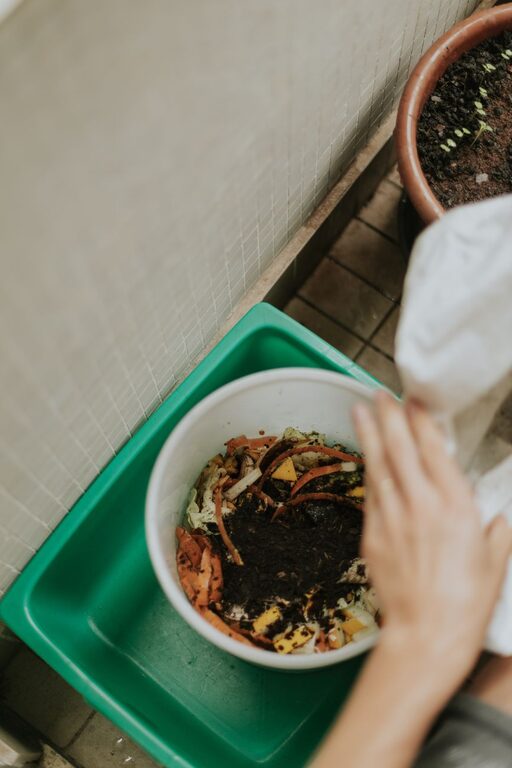
Composting at home is a fantastic way to reduce kitchen and yard waste while creating rich, natural fertilizer for your plants. Whether you have a spacious backyard or a small balcony, composting can fit into your lifestyle and help you contribute to a healthier planet. This guide offers beginner-friendly tips to help you start composting with confidence.
What is Composting?
Composting is the natural process of breaking down organic materials like food scraps and yard waste into nutrient-dense soil. Microorganisms, worms, and other decomposers work together to transform waste into humus—a dark, crumbly substance that improves soil structure, helps retain moisture, and provides essential nutrients for plants.
Why Compost at Home?
– Reduce Waste: Divert food scraps and yard trimmings from landfills.
– Save Money: Cut down on buying commercial fertilizers.
– Improve Soil: Enhance garden soil health and plant growth.
– Help the Environment: Lower greenhouse gas emissions associated with organic waste.
Getting Started: Choosing Your Composting Method
There are several composting methods suitable for beginners. Choosing the right one depends on how much space you have and how much effort you want to invest.
1. Compost Bin or Tumbler
– Compost Bins: These are enclosed containers placed in your yard. They help keep pests out and maintain moisture.
– Tumblers: Rotating compost bins make turning the pile easier and speed up decomposition.
2. Compost Pile
If you have ample space, you can create a simple compost pile in a corner of your garden. It requires turning the pile regularly to aerate it.
3. Vermicomposting (Worm Composting)
Ideal for small spaces or indoors, vermicomposting uses worms to break down food scraps quickly. You’ll need a worm bin with proper ventilation and bedding.
What Can and Cannot Be Composted?
Compostable Materials (Greens and Browns)
– Greens: Fruit and vegetable scraps, coffee grounds, tea bags (without staples), fresh grass clippings, green leaves.
– Browns: Dry leaves, shredded newspaper, cardboard, straw, wood chips, paper towels (unbleached).
Avoid Composting
– Meat, dairy products, oils, and bones (attract pests and cause odor).
– Diseased plants or invasive weeds.
– Pet waste or cat litter.
– Synthetic materials like plastics and metals.
Step-by-Step Beginner Composting Guide
Step 1: Choose Your Spot
Pick a dry, shady location with good drainage for your compost bin or pile.
Step 2: Start with a Base Layer
Add a layer (about 4-6 inches) of coarse materials like twigs or straw to help aeration and drainage.
Step 3: Add Greens and Browns in Layers
Alternate layers of green materials (nitrogen-rich) and brown materials (carbon-rich). A good rule of thumb is to aim for about 3 parts browns to 1 part greens to maintain balance.
Step 4: Keep it Moist
Your compost pile should be as damp as a wrung-out sponge. Water it occasionally, especially during dry spells.
Step 5: Turn Your Compost
Aerate the pile by mixing it every 1-2 weeks. Turning helps speed up decomposition by introducing oxygen.
Step 6: Monitor Temperature
A healthy compost pile will heat up as materials break down. If it’s not warming up, add more greens or turn the pile.
Step 7: Harvest Your Compost
After a few months, your compost will look dark and crumbly with an earthy smell. Use it in your garden beds, pots, or lawn.
Tips for Success
– Chop or shred kitchen scraps to speed up decomposition.
– Avoid adding too many citrus peels or onion scraps, which can slow the process in large amounts.
– Use a compost thermometer for precision but it’s optional for beginners.
– If your compost smells bad, add more brown materials and turn it more often.
– Add garden soil or finished compost to introduce helpful microbes.
Common Questions from Beginners
How long does composting take?
Composting can take anywhere from 2 months to a year depending on conditions like temperature, moisture, and materials.
Can I compost in winter?
Yes! Decomposition slows down in cold weather but continues. Compost piles with sufficient size retain heat better.
Will compost attract pests?
Properly managed compost with the right balance and enclosed bins reduce pests. Avoid meat and dairy to prevent issues.
Final Thoughts
Composting at home is an easy and rewarding way to reduce waste and support your garden’s health. By starting small and following these beginner tips, you’ll enjoy watching your kitchen scraps transform into valuable soil-enhancing compost. Happy composting!