
Reducing food waste at home is a practical way to save money, make the most of your groceries, and contribute to a healthier planet. Each year, millions of tons of edible food are discarded unnecessarily, which also wastes resources like water, energy, and labor. The good news is that small changes in how you shop, store, and use your food can make a big difference. Here are some helpful tips and strategies to get started.
Why Reduce Food Waste?
Before diving into the how, it’s helpful to understand why reducing food waste matters:
– Economic savings: Throwing away food means throwing away money spent on groceries.
– Environmental impact: Food production uses resources like water and energy. Wasting food increases greenhouse gas emissions.
– Feeding people: Minimizing waste helps ensure more food is available for those in need.
With these benefits in mind, let’s explore practical ways you can reduce food waste at home.
Plan Your Meals and Shopping
Make a Weekly Meal Plan
Planning meals ahead helps you buy only what you need. Consider:
– Reviewing what you already have before making a list
– Choosing recipes with overlapping ingredients to avoid excess
– Planning for leftovers to be repurposed
Shop Smart
– Stick to your list to avoid impulse buys
– Buy loose fruits and vegetables instead of pre-packaged ones to control quantity
– Consider portion sizes for your household to prevent excess
Store Food Properly
Food spoils faster when not stored correctly. Here are some tips:
– Keep your refrigerator at the right temperature (usually below 40°F or 4°C)
– Store fruits and vegetables separately; some fruits produce ethylene gas which can speed spoilage of veggies
– Use airtight containers or wraps to extend freshness
– Label leftovers with dates to use them in time
Use Leftovers Creatively
Leftovers don’t have to be boring or wasted. Try:
– Incorporating leftover veggies into soups, stews, or stir-fries
– Turning stale bread into croutons or breadcrumbs
– Using extra cooked rice or grains for fried rice or salads
– Freezing unused portions for future meals
Practice Proper Portion Control
Serving smaller portions can reduce uneaten food. You can always go back for seconds if still hungry. This helps minimize plate waste, especially with children.
Understand Expiration Dates
“Best by,” “use by,” and “sell by” dates can be confusing but do not always mean the food is unsafe immediately after that date. Use your senses—look, smell, and taste—to decide if food is still good. When in doubt, consult trusted resources rather than automatically discarding food.
Compost Food Scraps
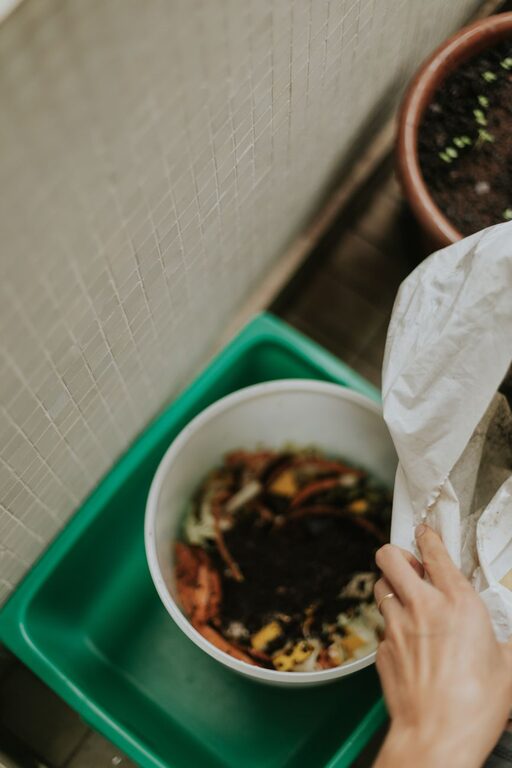
Some food waste is unavoidable, but composting can turn scraps into valuable soil for gardens. This reduces methane emissions from landfills and supports sustainable gardening. Common compostable items include:
– Fruit and vegetable peels
– Coffee grounds and tea bags
– Eggshells
Avoid composting meat, dairy, or oily foods in home compost bins.
Regularly Clean Out Your Pantry and Fridge
Keeping your food storage areas tidy helps you keep track of what you have and prevents forgotten items from spoiling. Arrange items so those nearing expiration are in front and easier to use first.
Educate Your Household
Engage family members in food waste reduction efforts. Teach kids about the value of food and ways to avoid waste. Share responsibilities like meal planning and leftover use.
Use Food Waste Apps and Tools
There are helpful apps that assist with meal planning, tracking food inventory, and finding recipes for leftovers. These tools can simplify the process and keep you motivated.
—
By adopting these habits step by step, you’ll find it easier to reduce food waste at home. Not only will your wallet thank you, but you’ll also be making a positive impact on the environment and supporting a more sustainable lifestyle. Give these tips a try and enjoy the benefits of a smarter, less wasteful kitchen!