
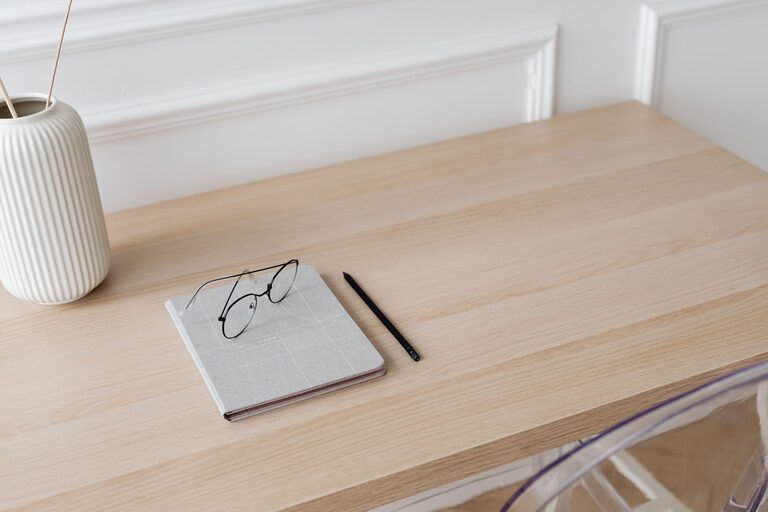
Creating a relaxing home workspace is essential for anyone who spends significant time working from home. A well-designed workspace can help improve focus, reduce stress, and create a positive environment that encourages productivity. Whether you’re setting up a new office or refreshing your current space, these practical tips will help you design a calming and efficient home workspace.
Why a Relaxing Workspace Matters
Your workspace influences your mood and work habits. A cluttered or uncomfortable space can lead to distractions and frustration, while a calming environment can help sustain concentration and make work feel less like a chore. Creating a relaxing workspace isn’t just about aesthetics—it’s about making your workday smoother and more enjoyable.
Choosing the Right Location
Find a Quiet Spot
Choose a space in your home that is quiet and free from distractions. Ideally, it should be away from high-traffic areas such as kitchens or living rooms, where interruptions are more common.
Good Natural Light
Try to position your desk near a window. Natural light helps reduce eye strain and increases alertness. If natural light is limited, invest in a soft, adjustable desk lamp that mimics daylight.
Setting Up Your Workspace
Comfortable Seating
Invest in a comfortable, ergonomic chair that supports your posture. Sitting for long periods may cause discomfort, so having a chair that fits your body well can prevent aches and increase productivity.
Desk Organization
Keep your desk tidy by organizing essential items within easy reach. Use trays, drawers, and organizers to manage paperwork and office supplies. A clutter-free desk helps maintain mental clarity.
Technology Setup
Arrange your computer, keyboard, and mouse to promote good ergonomics. Your screen should be at eye level and about an arm’s length away to reduce neck and eye strain. Use wireless devices if possible to minimize cable clutter.
Personalizing Your Space
Calming Colors
Choose colors that promote calm and focus. Shades of blue, green, or soft neutrals are popular for home workspaces because they tend to create a relaxing atmosphere.
Plants and Greenery
Adding a few plants can improve air quality and bring a touch of nature indoors. Plants are known to reduce stress and increase feelings of well-being.
Inspirational Items
Include personal touches that inspire you, such as photos, artwork, or motivational quotes. Just be careful not to overcrowd your space with too many distractions.
Managing Noise and Distractions
Use Noise-Canceling Headphones
If you cannot find a completely quiet spot, noise-canceling headphones can help block background sounds and improve concentration.
Soft Background Music
Some people find that low-volume instrumental music or white noise helps them focus. Experiment to see what works best for you.
Set Boundaries
Communicate your work hours clearly to family or housemates to reduce interruptions during important tasks.
Incorporating Break Areas
Create a Nearby Relaxation Spot
If space allows, designate a small area near your workspace for breaks. A comfortable chair or cushion can encourage short rests, which are vital for maintaining productivity.
Stretch and Move
Incorporate a routine of standing up and stretching regularly. Use this break to refresh your mind and reduce muscle tension.
Lighting Tips for Relaxation
Avoid Harsh Lighting
Bright, overhead fluorescent lights can cause glare and fatigue. Opt for softer, layered lighting with desk lamps and floor lamps.
Adjust Lighting Throughout the Day
If possible, adjust the lighting to mimic natural daylight cycles to help regulate your body’s rhythm and maintain alertness.
Maintaining Your Workspace
Daily Clean-Up
Spend a few minutes at the end of each day tidying your desk. This habit keeps the space inviting and ready for the next day’s tasks.
Regular Decluttering
Set aside time weekly or monthly to remove unnecessary items and reorganize. A minimalistic environment contributes to mental clarity.
Refresh Your Space
Update your workspace as needed by switching out décor, rearranging furniture, or adding new organizational tools to keep the area fresh and motivating.
Final Thoughts
Creating a relaxing home workspace is about balancing comfort, organization, and personalization to support your productivity and well-being. By thoughtfully designing your workspace, you can turn your home office into a place that not only encourages focus but also feels like a pleasant environment where you look forward to working. Small changes like improving lighting, minimizing clutter, and introducing calming decor can make a significant difference in your daily work experience.
Start with the basics and adjust your setup as you discover what helps you feel most relaxed and productive. With the right environment, working from home becomes a more enjoyable and efficient experience.