
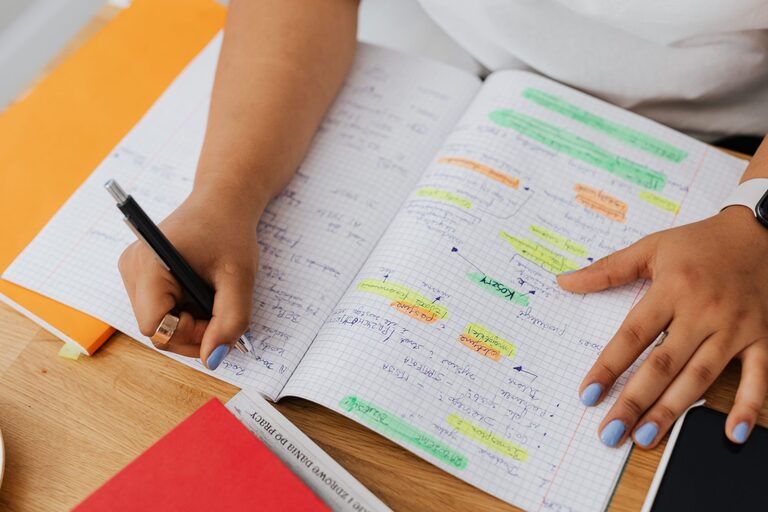
Choosing the right notebook might seem like a simple task, but it can make a big difference in how often and how much you use it. Whether you want a place to jot down ideas, organize your tasks, or simply express yourself, picking a notebook that suits your style and needs is key.
In this guide, we’ll explore practical steps to help you select a notebook you’ll actually use, so it becomes a valuable companion in your daily routine.
Why Choosing the Right Notebook Matters
A notebook isn’t just a stack of pages. It’s a tool for capturing thoughts, planning, and creativity. If your notebook doesn’t feel right, you might avoid using it, and all those ideas can get lost.
Some reasons the right notebook matters include:
– Motivation: The notebook should invite you to write.
– Functionality: It should work well for your intended purpose.
– Durability: It should hold up to your lifestyle.
– Size: It should be convenient to carry and use.
With these points in mind, let’s dive into how you can select a notebook that fits you perfectly.
Step 1: Identify Your Purpose
Before buying a notebook, think about how you plan to use it. Different uses may require different types of notebooks.
Common Uses Include:
– Journaling: Personal reflections, gratitude, daily thoughts
– Work or Study Notes: Meeting notes, lectures, project planning
– Creative Writing: Stories, poetry, brainstorming ideas
– To-Do Lists and Planning: Task management, scheduling
– Sketching or Doodling: Visual ideas or art
Knowing your purpose helps narrow down what features to prioritize.
Step 2: Choose the Right Size
Notebook sizes vary widely—from pocket-sized to large sketchbooks.
Consider:
– Portability: If you want to carry it everywhere, a small or medium size (like A5 or 5×8 inches) is ideal.
– Writing Comfort: Larger notebooks give more room but can be bulky.
– Storage: Think about where you will keep your notebook—desk, bag, or drawer.
A good tip is to try writing in a few sizes at a stationery store before deciding.
Step 3: Select the Paper Type and Quality
The texture and weight of paper impact the experience of writing or drawing.
Paper Characteristics to Consider:
– Weight (GSM): Heavier paper (above 80 GSM) is thicker, less likely to bleed through.
– Texture: Smooth paper suits pen writing; rougher paper may be preferred for pencils or markers.
– Color: White or cream paper affects contrast and feel.
If you use ink pens or markers, check if the paper prevents bleed-through. Artists might need thicker paper for sketching.
Step 4: Pick a Binding Style
The way your notebook is bound influences usability and durability.
Common Binding Types:
– Spiral: Allows the notebook to lie flat and fold over, but pages can tear out easily.
– Sewn or Thread-bound: Durable and lies flat but usually doesn’t fold back as easily.
– Glue-bound (Perfect binding): Looks neat but may not open flat.
– Disc-bound: Flexible and allows adding/removing pages but can be pricier.
Consider how you like to open your notebook and whether you often remove pages.
Step 5: Decide on Page Layout
Page layouts vary to support different writing styles.
Popular Page Options:
– Lined: Great for writing text and notes.
– Blank: Best for drawing, sketching, or freeform notes.
– Dotted: A favorite for bullet journaling, balances structure and freedom.
– Grid: Good for technical drawings, graphs, or precise notes.
Choose the layout that suits your typical use.
Step 6: Think About Cover Material and Design
The cover protects your notes and reflects your personality.
Consider:
– Material: Hardcovers provide sturdiness; softcovers are lighter and flexible.
– Finish: Some covers resist water and stains.
– Design: Plain covers can be professional; colorful or patterned covers add fun.
– Closure: Elastic bands or magnetic closures keep your notebook secure.
Pick a cover that you’ll enjoy looking at and carrying around.
Step 7: Set Your Budget
Notebooks come at various price points.
– Budget-friendly: Basic notebooks that serve everyday needs.
– Mid-range: Often better paper quality and design.
– Premium: Specialty materials, handcrafted, or brand-name options.
Investing in a slightly better notebook can enhance your experience, but don’t overspend if you’re unsure about regular use.
Step 8: Test Before You Commit
If possible, visit a stationery store to:
– Feel the paper texture.
– Write a few lines with your preferred pen.
– Check how the notebook lies open.
– Consider the weight in your bag.
Testing helps avoid disappointment after purchase.
Bonus Tips to Keep Using Your Notebook
– Personalize It: Add stickers, tabs, or drawings to make it yours.
– Establish a Routine: Set a time to write regularly.
– Keep It Accessible: Store it where you’ll see it often.
– Combine Tools: Use your notebook alongside digital apps if needed.
Remember, the best notebook is one that feels inviting and supports your habits.
Conclusion
Choosing a notebook you’ll actually use involves thinking about your needs, style, and preferences. By considering size, paper quality, binding, layout, and design, you can find a notebook that inspires you to write, plan, or create every day.
Take your time to explore options and remember that the right notebook can become a trusted partner in your productivity and creativity journey. Happy notebook hunting!